Berlin Mitte
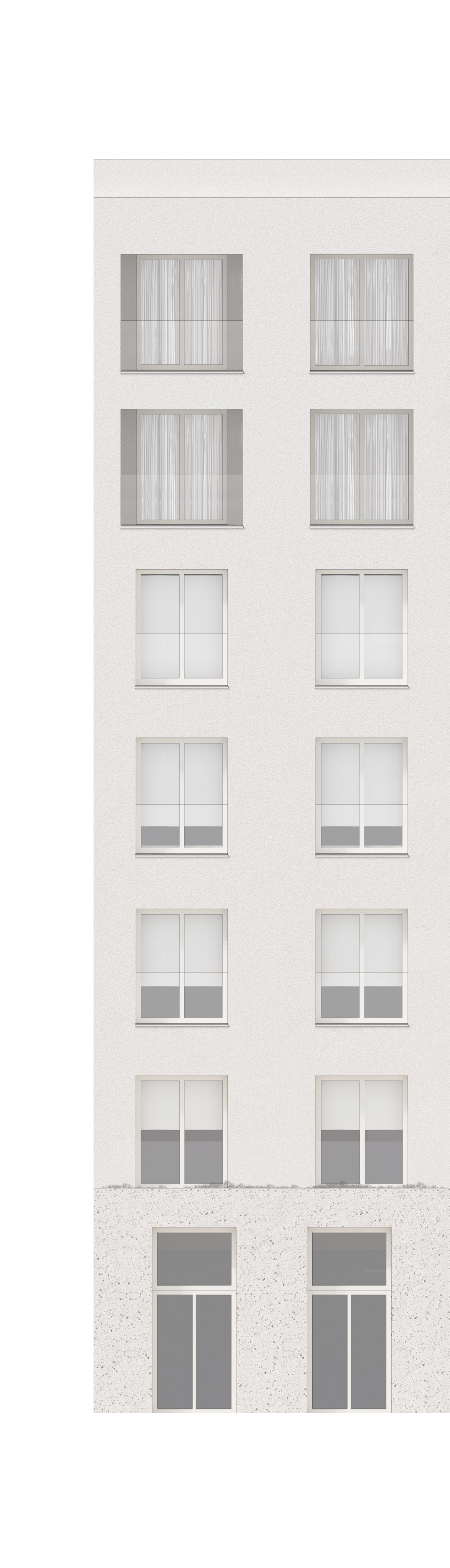
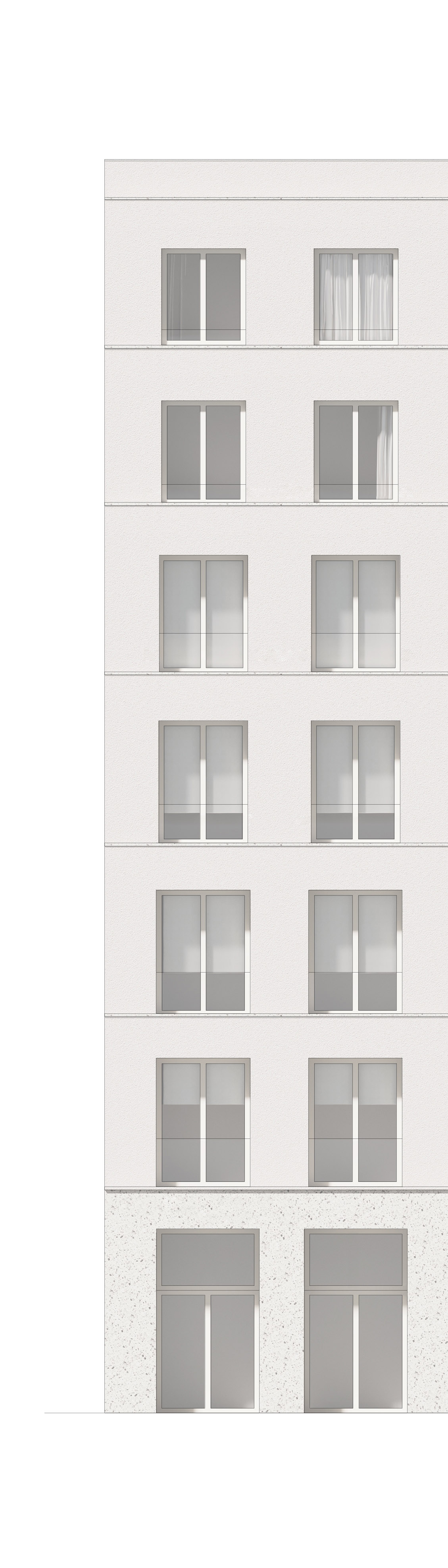
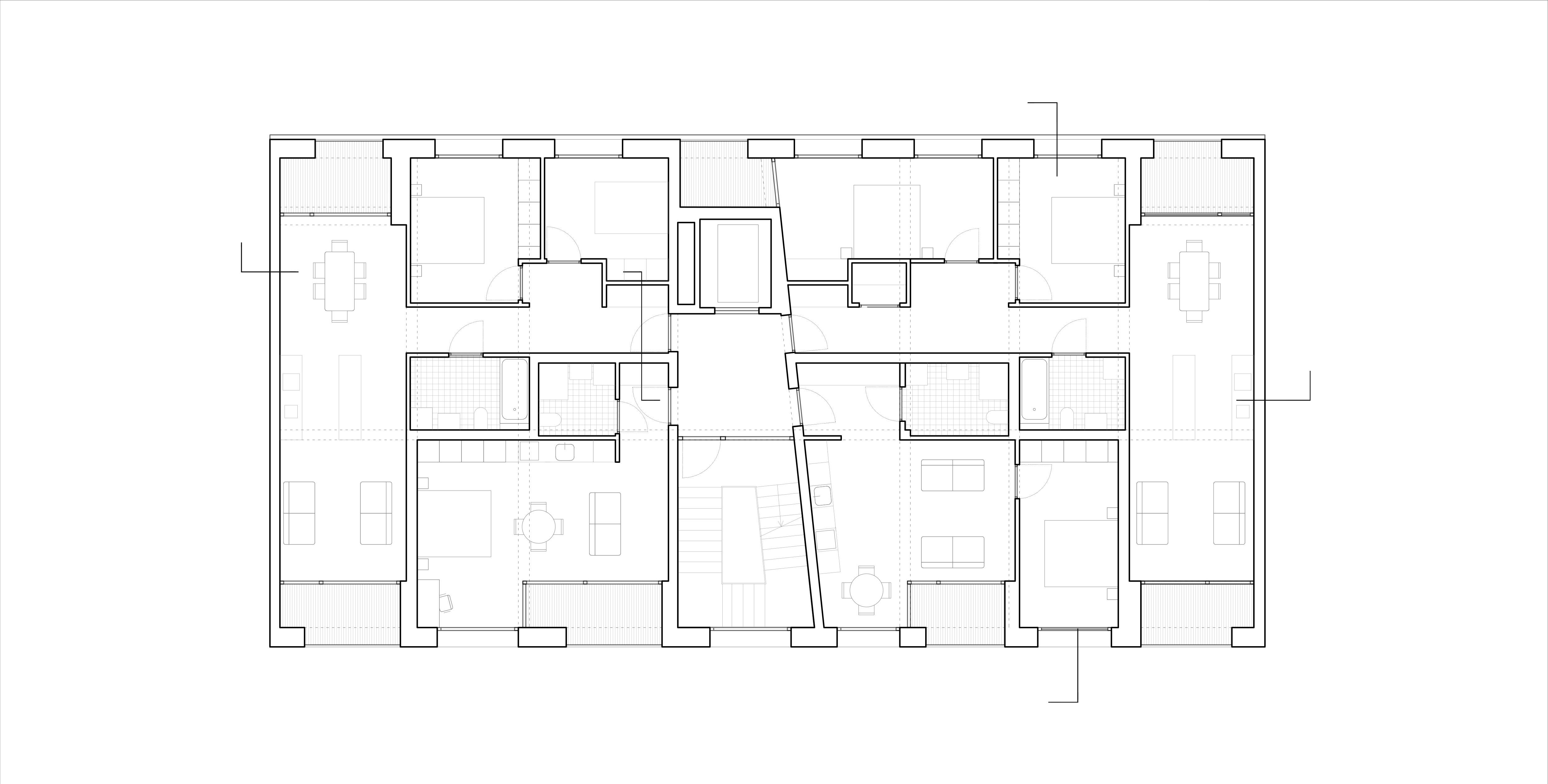
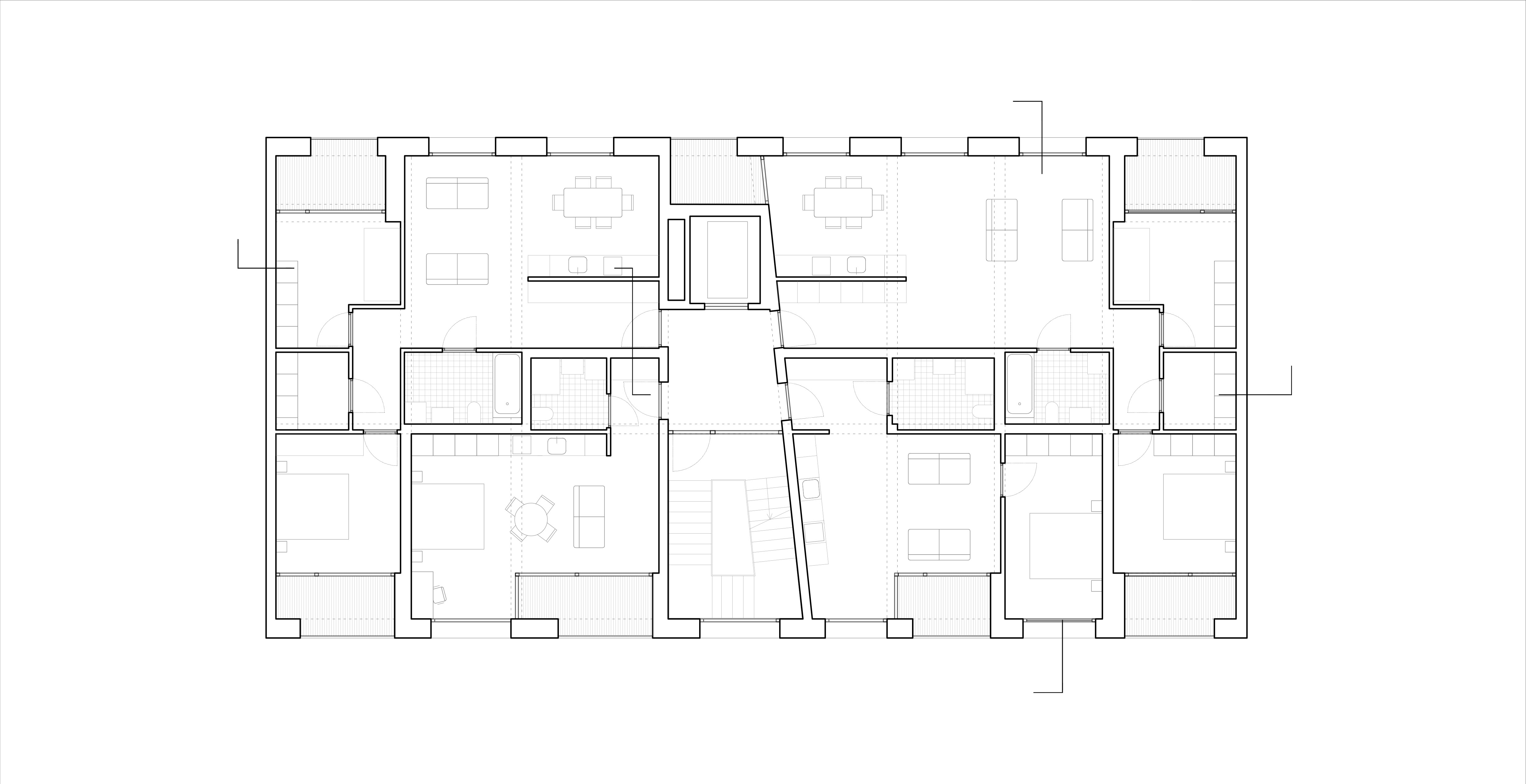
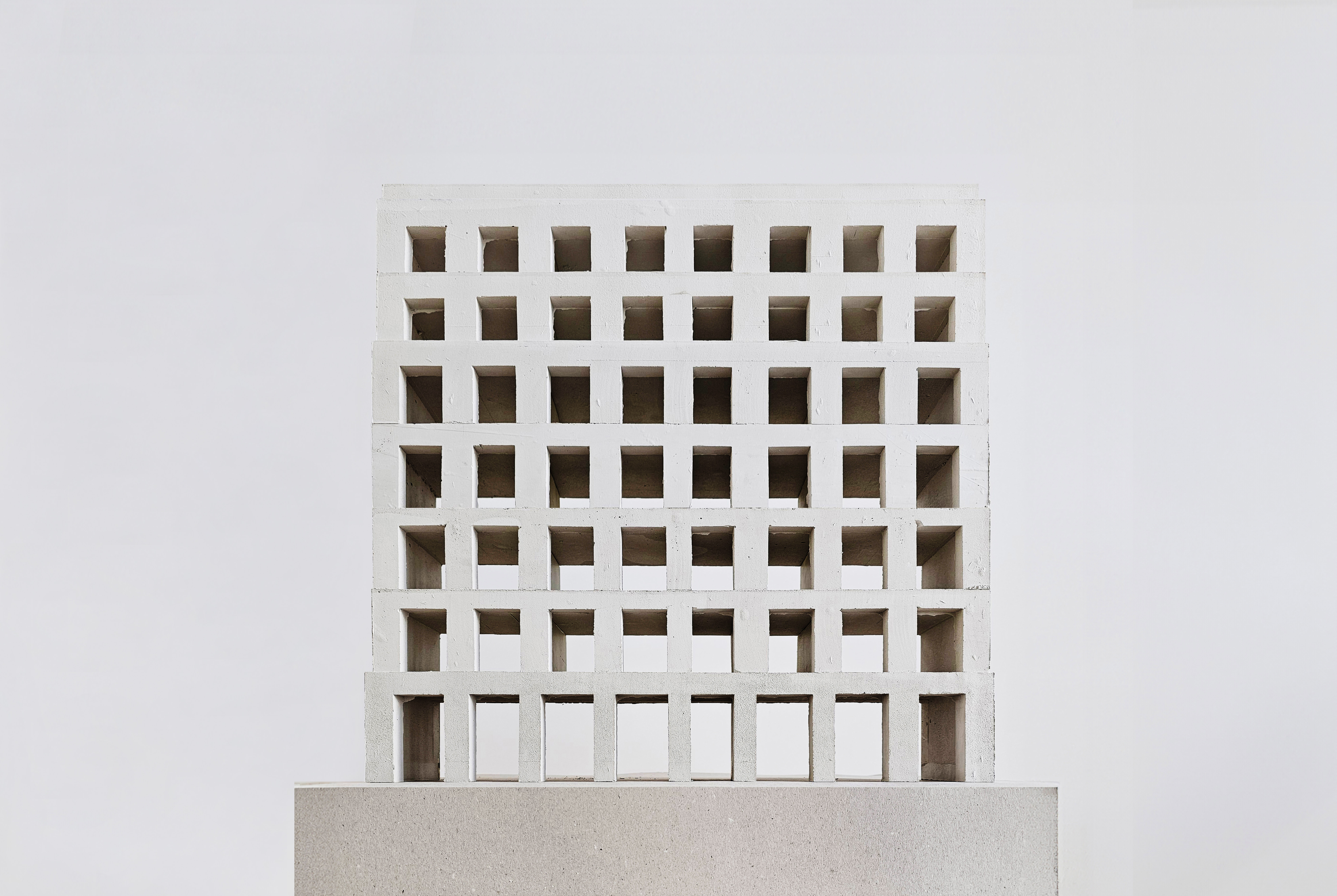
The historic image of Breite Straße has undergone continuous transformation and development since the Middle Ages. Originally an organic urban structure composed of narrow houses and parcels, it was gradually consolidated into larger ensembles and incorporated into more regular street layouts. Buildings expanded both vertically and horizontally, while façades were extended and modified — a process evidenced by the subtle irregularities visible in historic street perspectives. One of the key premises of the project is to make the depth and layered nature of this site’s history perceptible. The integration into the urban context and the shaping of the building volume are based on an understanding of the historic character of Breite Straße as a cohesive urban structure, which achieves unity through individual buildings and a varied parcel layout. The building volume within Phase 4 has been designed as a coherent, tectonic whole. As a contemporary urban townhouse with a distinct façade, it is inserted into the existing context in a restrained manner, using minimalist and reduced means of expression — such as the structure of the volume and the façade — conceived as “subservient” to the overall urban development. The façade composition is based on a classical tripartite division, directly referencing the articulation of neighboring historic buildings with their characteristic elements such as cornices, setbacks, and deep window reveals. On the street side, window openings become smaller toward the upper levels, reinforcing the façade articulation and providing greater privacy for residential floors. On the courtyard side, this principle is reversed to allow stronger visual connections and open views toward the interior of the urban block. The result is a clearly ordered window façade with subtle irregularities. It reflects the history and evolution of the site while simultaneously allowing flexibility in internal functional layouts without the need to alter the external architectural expression of the building.
Type:
commercial and residential
Use:
residential building
Client:
Date:
2024
Location:
Berlin
Area:
m2
Status:
concept design
Awards:
Authors:
WXCA: Michał Czerwiński, Małgorzata Bonowicz, Michał Sokołowski, Mateusz Sokołowski, Michał Kalinowski, Julia Gronbeck
KOPERROTH: Marcus Kopper, Martin Roth, Asja Roth, Dominik Renner