The New Library in Rzeszów
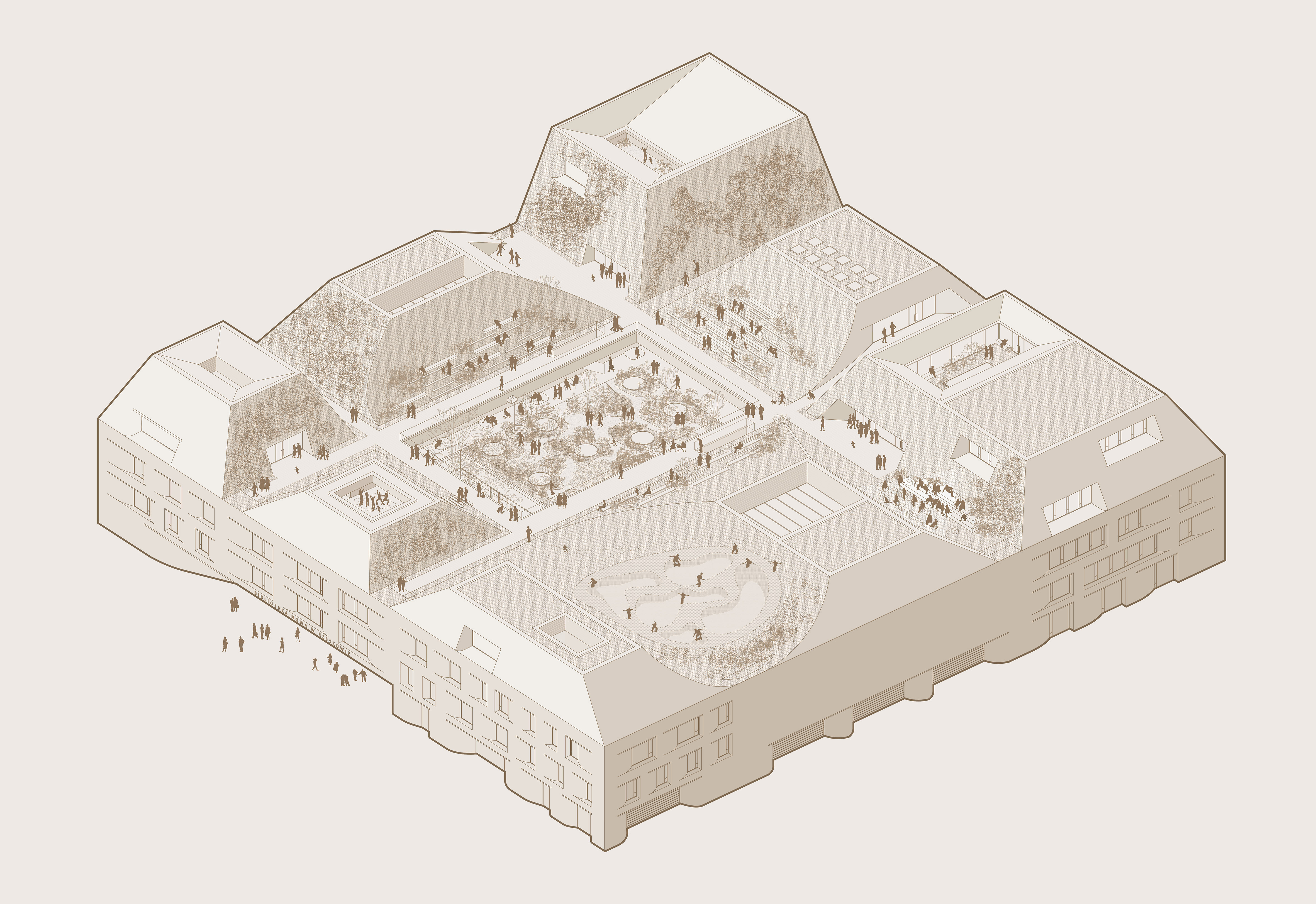
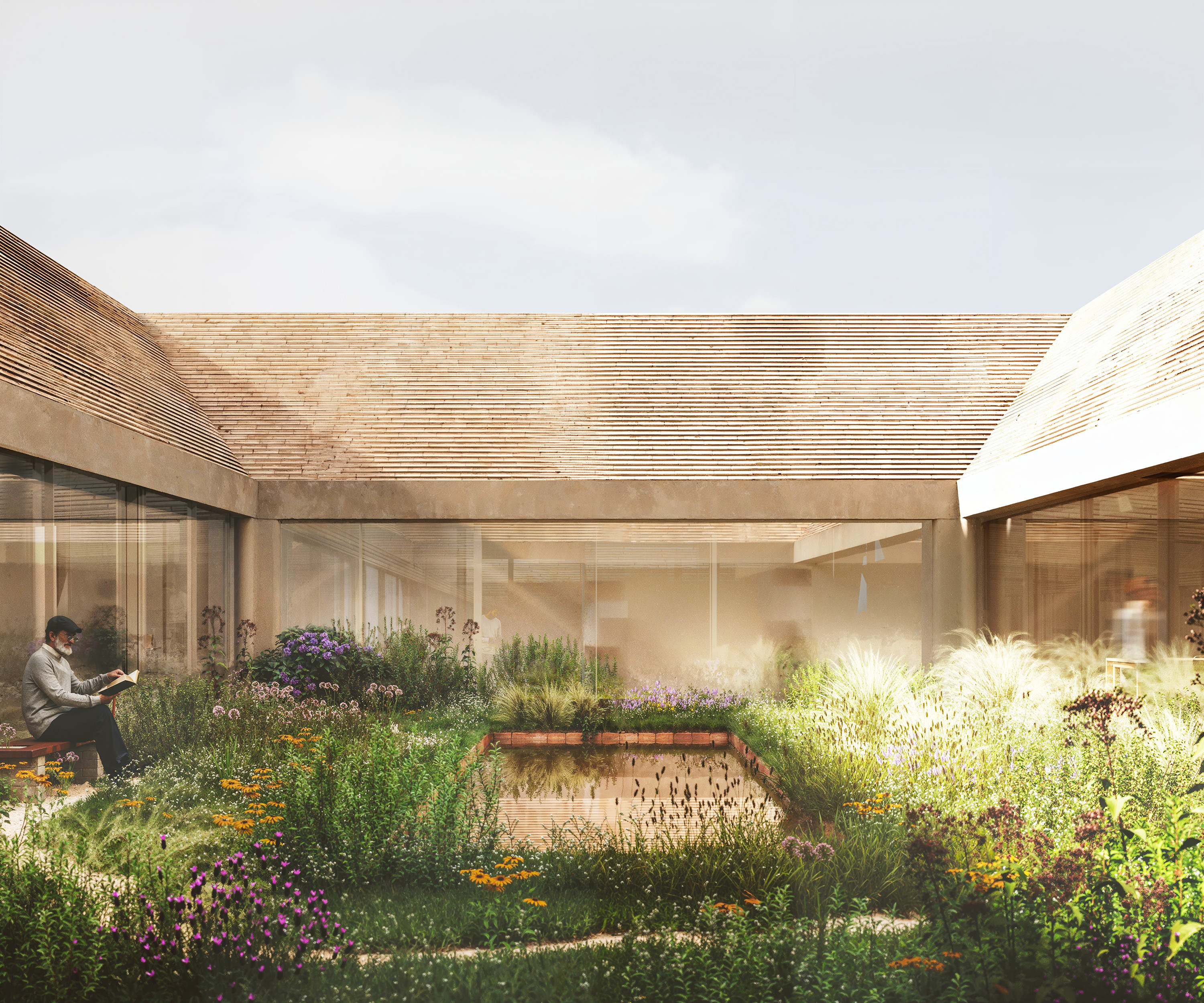
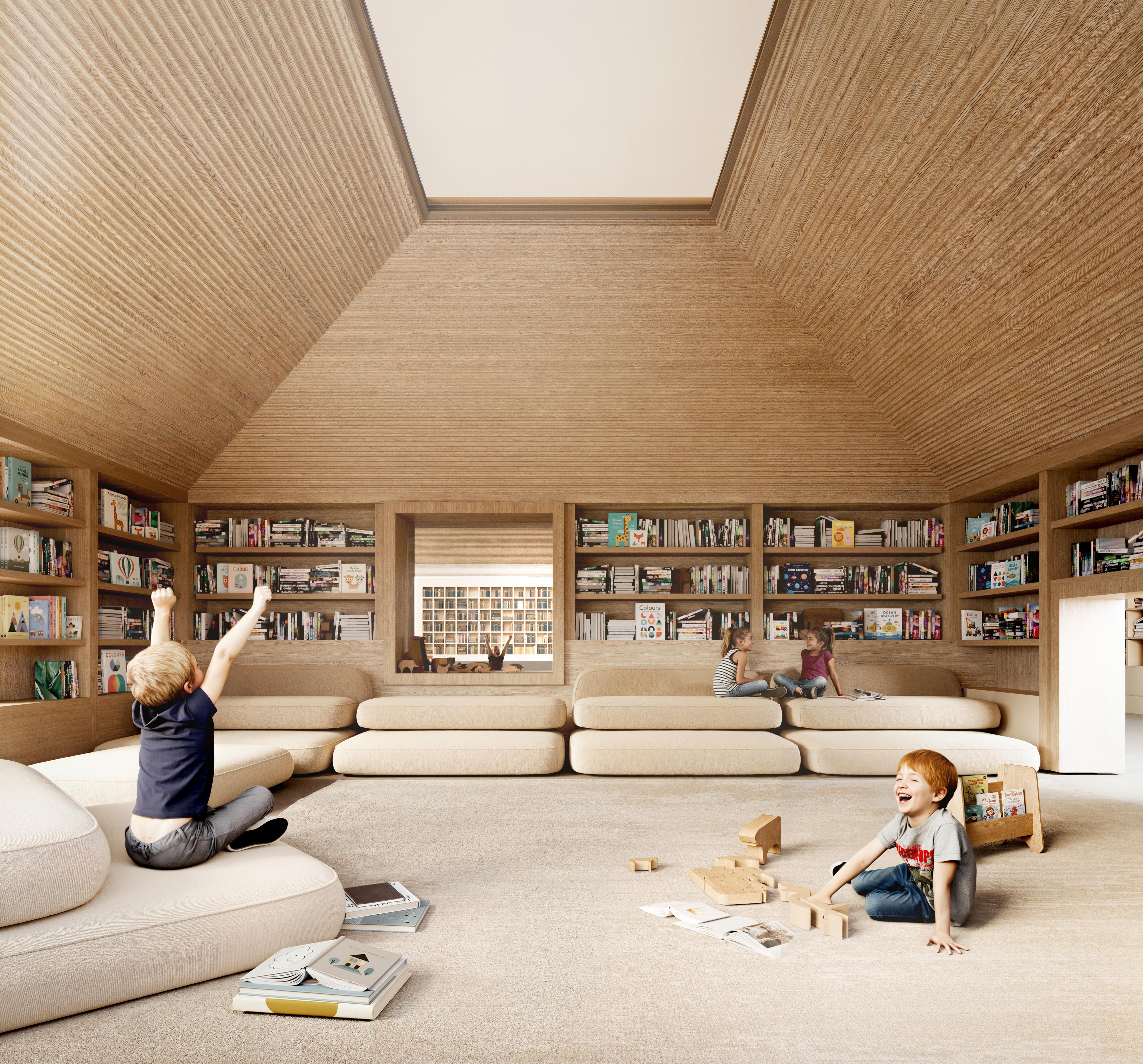
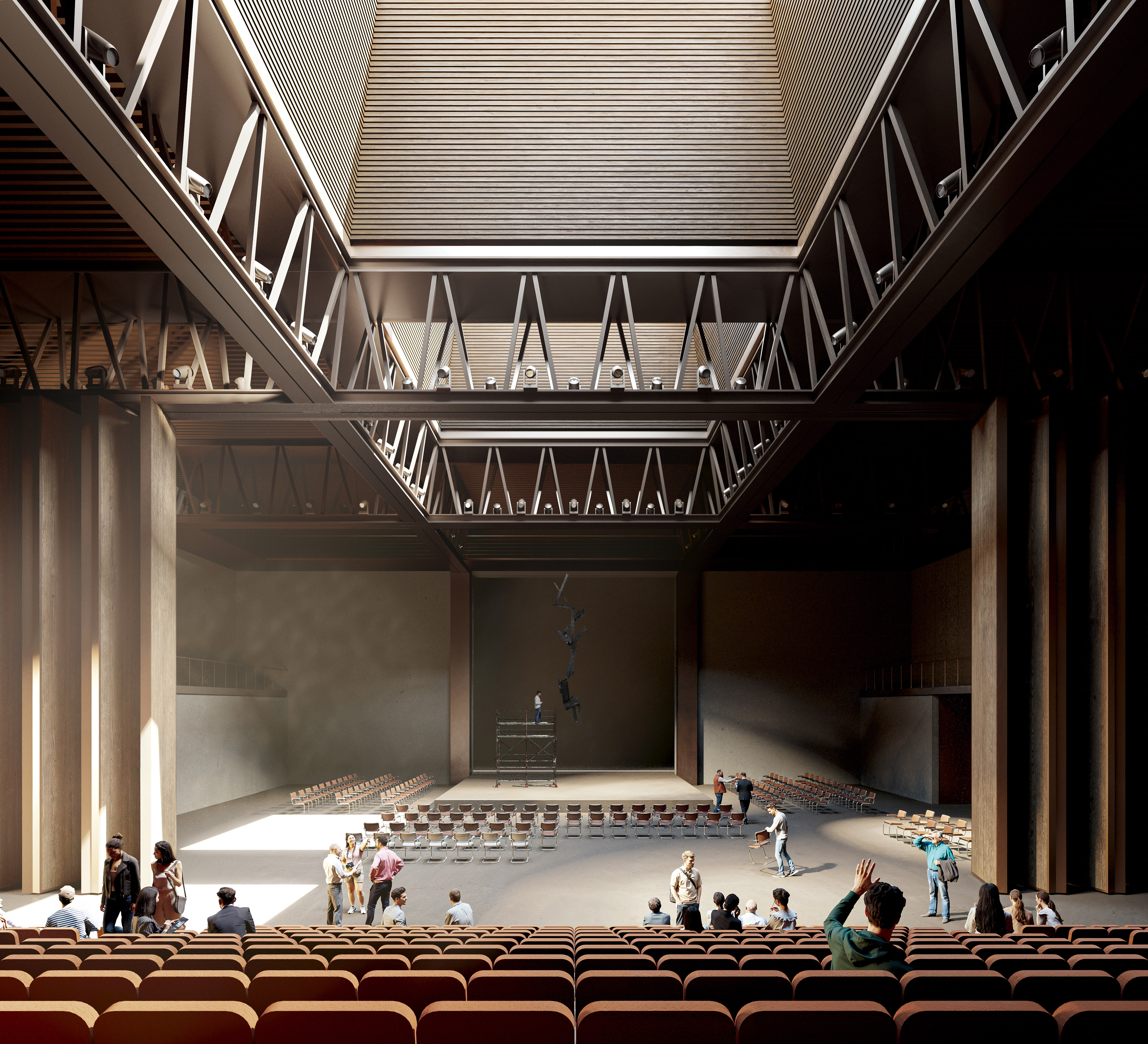
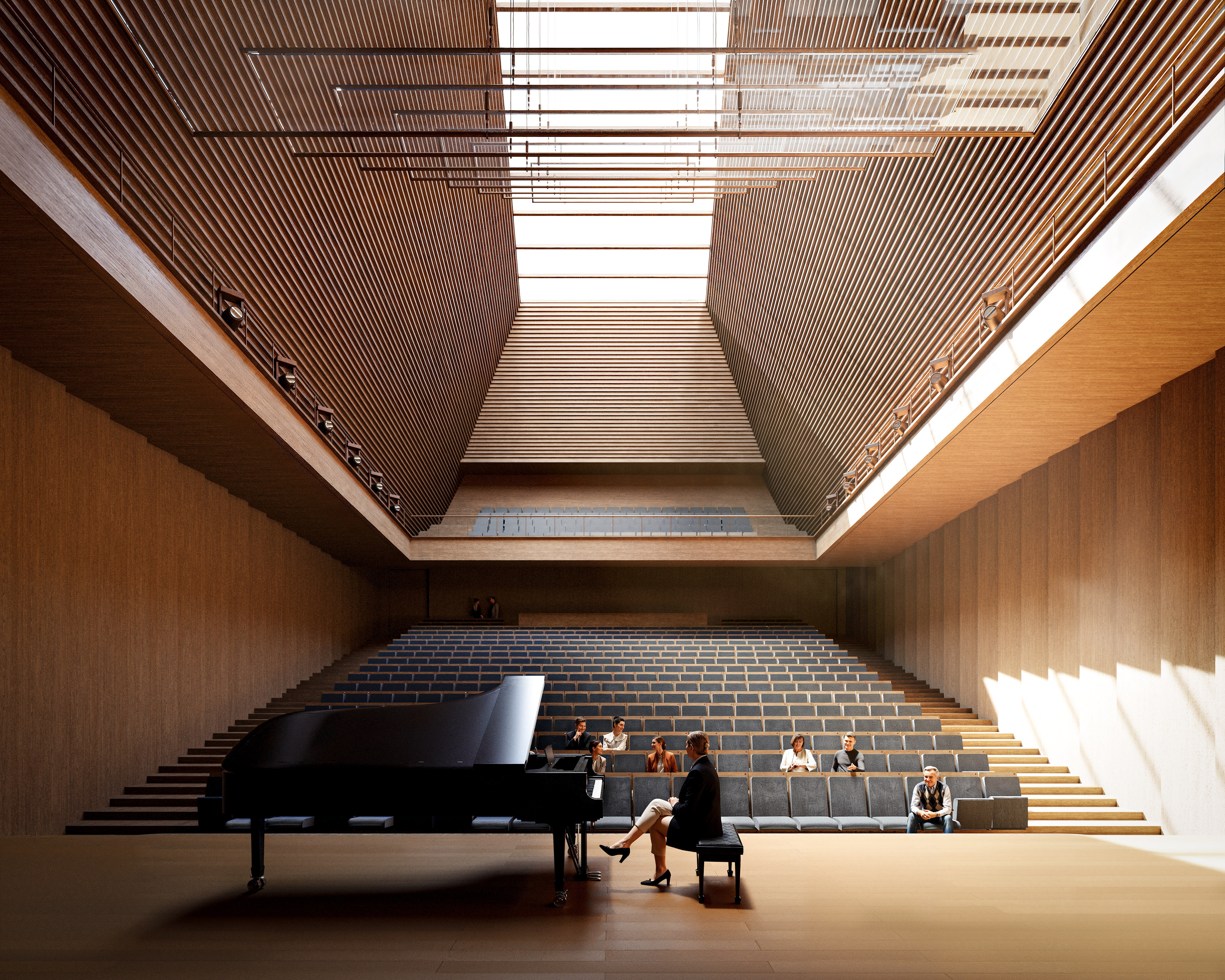
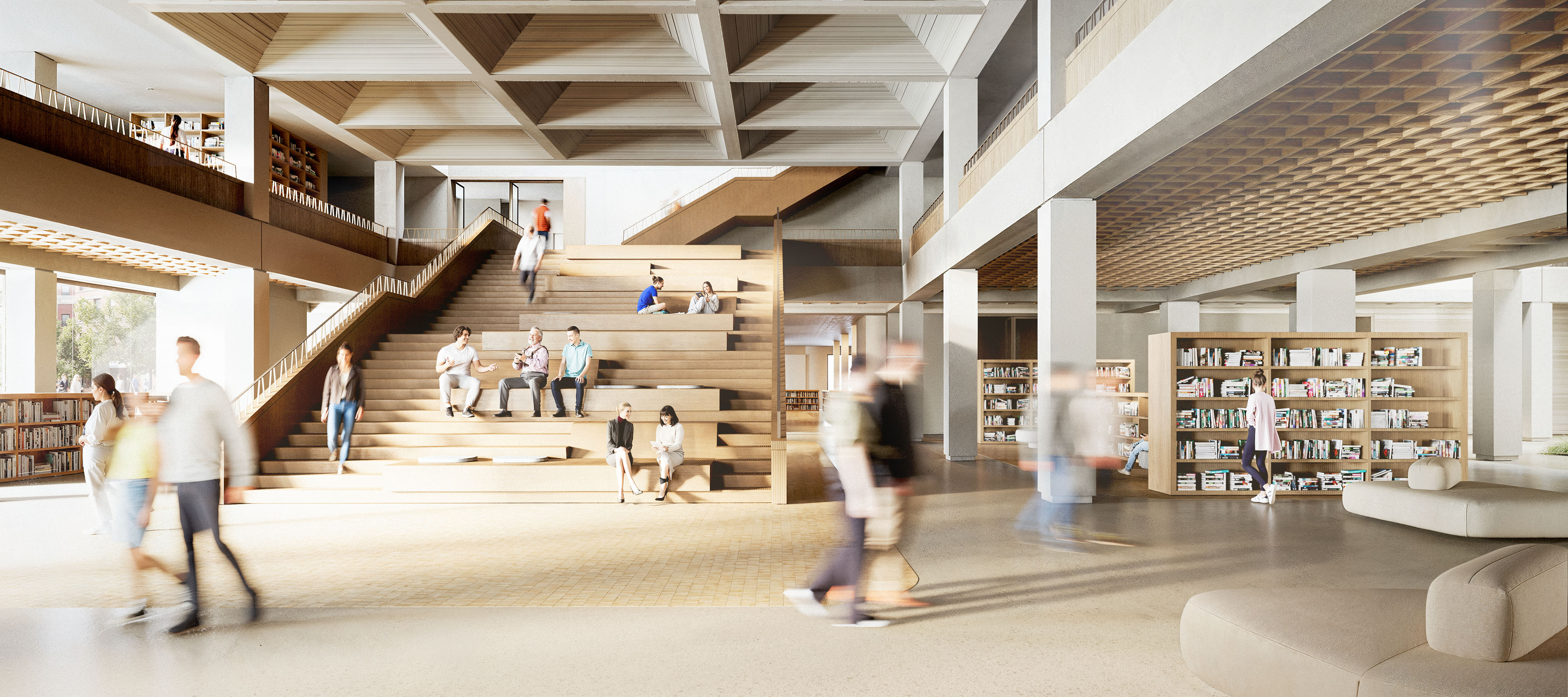
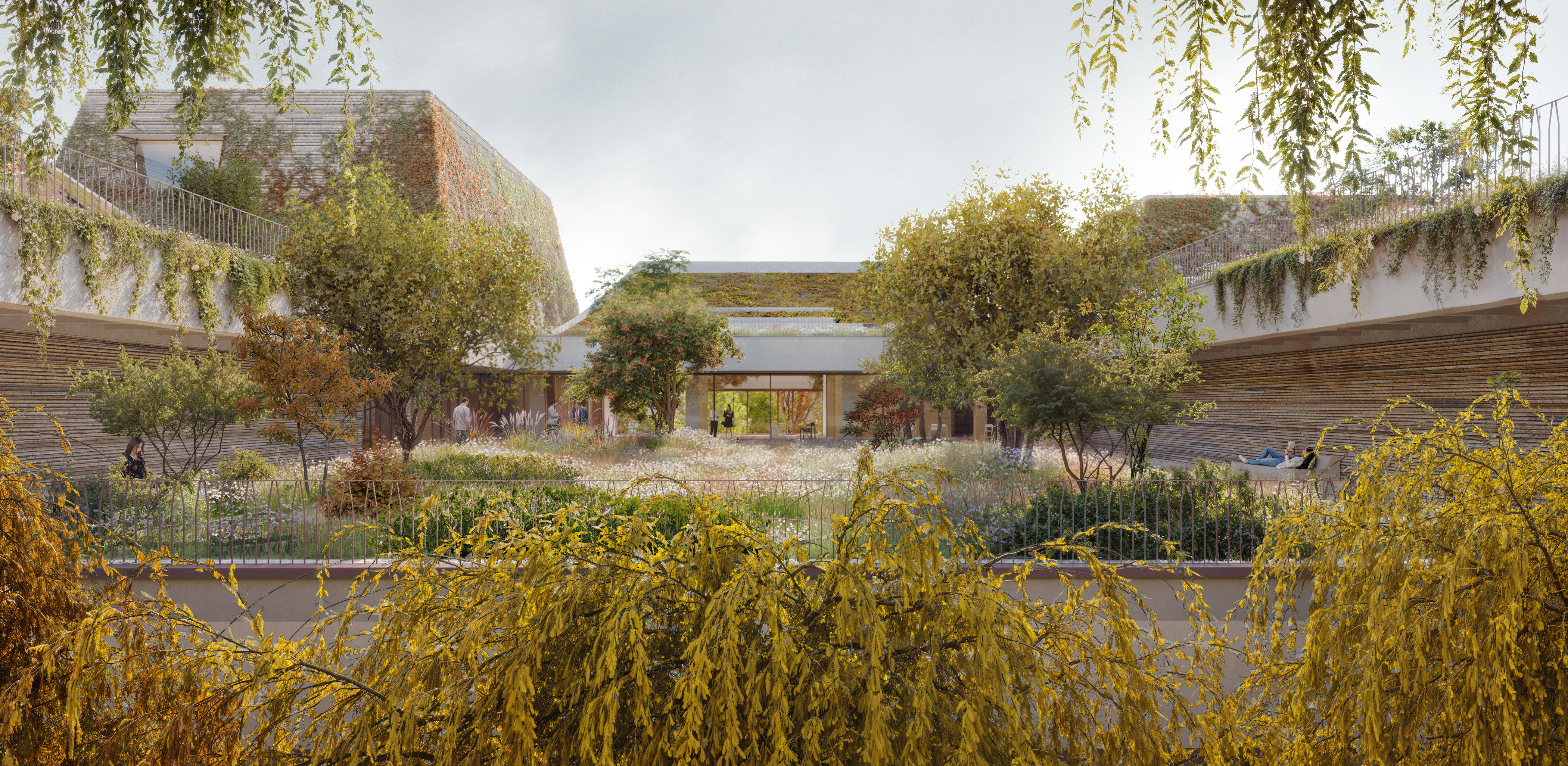
The New Library Building is intended to become a vibrant place of activity for the residents of Rzeszów. It is designed to combine spaces for play for the youngest users, active leisure and learning for young people, as well as conditions conducive to reading, rest, and cultural discussion for adults and seniors. An important component of the new building is also the events zone, which introduces an additional function of a distinctly different character—intensively used and generating a significant level of noise.
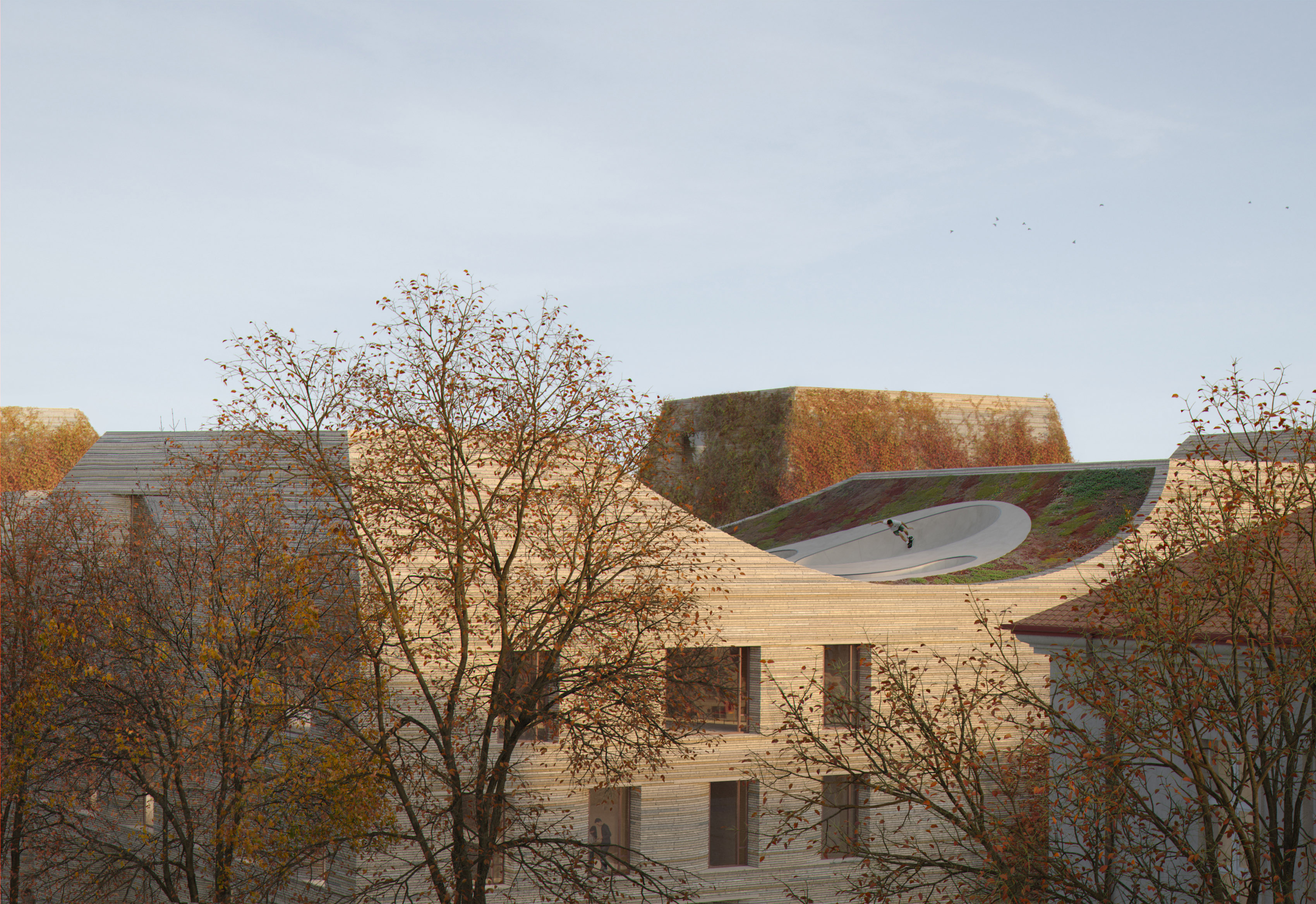
This design concept seeks to reconcile these diverse needs. By distributing open public spaces across different levels, it enables their coexistence while maintaining comfort for all user groups. Each planned activity is assigned a dedicated space—depending on its requirements—fully or partially acoustically isolated. As a result, the library will offer a comfortable meeting place for residents with literature and culture, complemented by a rich programme of additional activities.
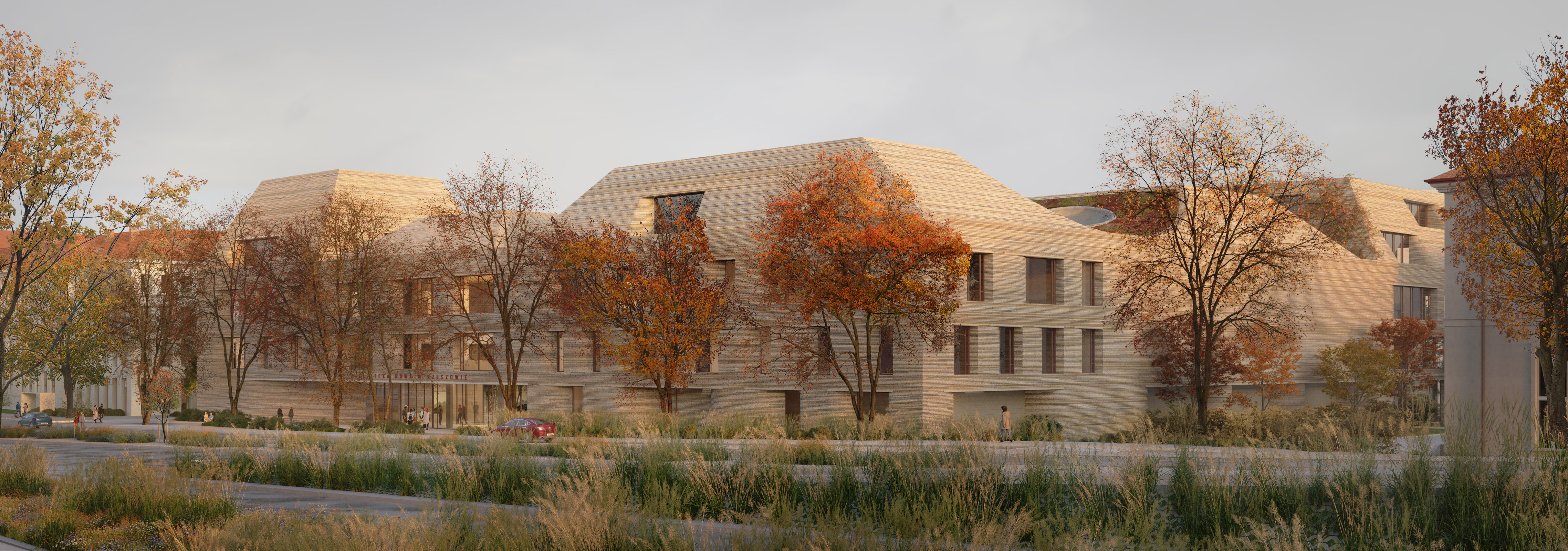
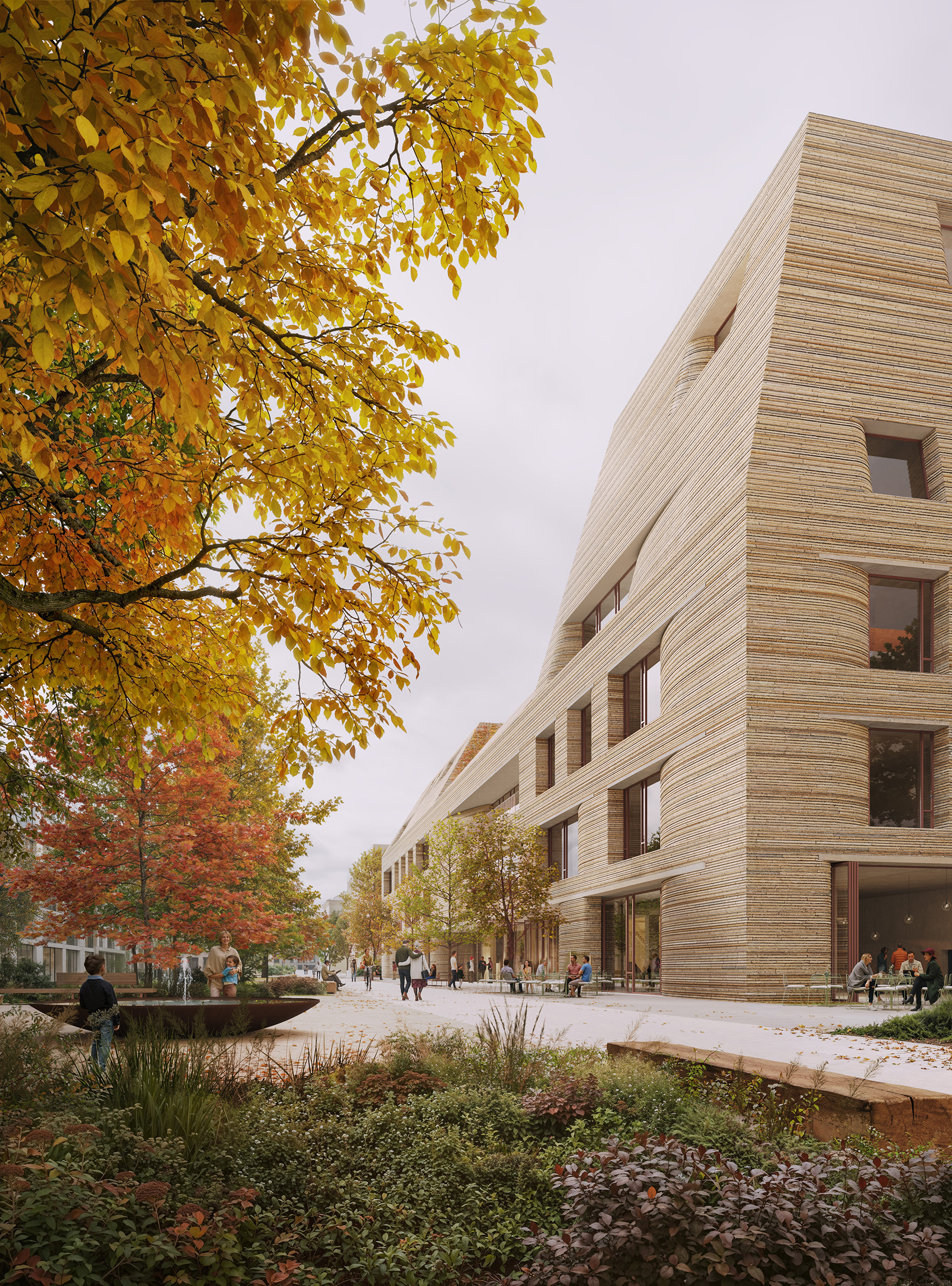
The competition brief requires a building of substantial volume, capable of accommodating all necessary functions. At the same time, the facility is largely dedicated to children and young people, with its primary aim being the creation of a welcoming environment that invites the residents of Rzeszów to engage with books. For this reason, our concept adopts a building typology that evokes the character of a house—a place that encourages people to stay longer. Despite its extensive programme, the building’s scale remains consistent with that of Rzeszów: a three-storey structure with pitched roofs, creating spaces with friendly, human proportions. A subtle visual emphasis is provided by higher roof elements marking the main entrances.
Sloping roof planes are a characteristic feature of the city’s most valuable historic architecture, which is subject to protection and whose identity is intended to endure for decades to come. This concept is based on the belief that durable, contemporary architecture emerges from the thoughtful use of solutions rooted in proven patterns of urbanism and architecture—patterns grounded in human experience and an understanding of spatial perception.
The architecture of the building is designed as a gesture of invitation to the interior. Deep arcades and rounded, soft edges gently guide visitors towards the entrances. These design choices have a tangible impact on the perception of space: horizontal, soft lines evoke a sense of calm, harmony, and accessibility. Associated with the horizon, the surface of water, and rest, they enhance feelings of balance, relaxation, and stability. By recalling associations with nature and safety, they create appropriate conditions for reflection and quiet contemplation.
Type:
education
culture
public space
Use:
public space
public building
Client:
Date:
2025
2026
Location:
Rzeszów
Area:
31500
m2
Status:
concept design
Awards:
Second Prize in the SARP architectural and urban design competition for the development of the concept of the Cultural Facilities Complex titled “The New Library” in Rzeszów
Authors:
WXCA:
Szczepan Wroński, Małgorzata Dembowska, Krzysztof Moskała, Maja Przewoźnik, Andrzej Bulanda, Anna Majewska-Karolak, Michał Lipiec, Anna Ratkiewicz , Dominik Zagajewski, Patryk Jabłoński, Katarzyna Starzyńska, Michał Sokołowski, Mariia Kolomiitseva, Ewelina Rosiak-Jabłońska
Akustyka/technologia scen – PAK Pracownia Akustyczna
Piotr Kozłowski, Bartosz Zawieja, Michał Szczepański, Kajetan Krztoń
Engineering – Buro Happold
Sławomir Pastuszka, Paweł Lisiak, Mirette Khorshed
Landscape Architecture
Wojciech Januszczyk
Visualizations – Wiak Studio
Michał Wiak